When do Carbon Brushes Need Replacing in Wind Turbines?
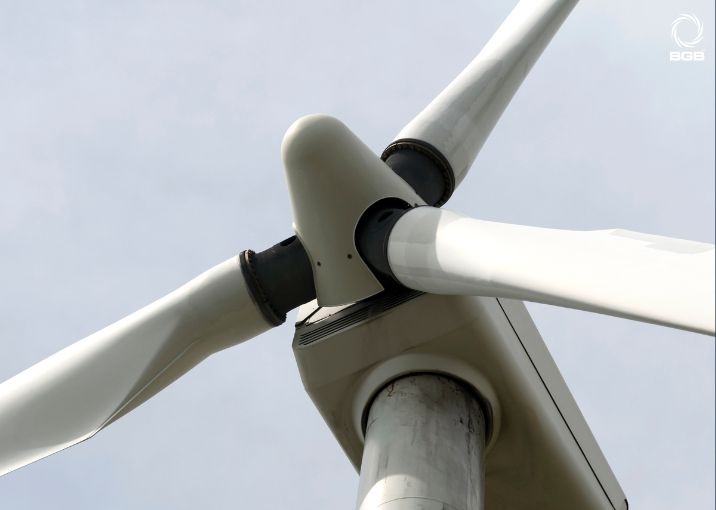
Carbon brushes play a vital role in wind turbines, facilitating the transfer of electrical power and signals between stationary and rotating components within the system.
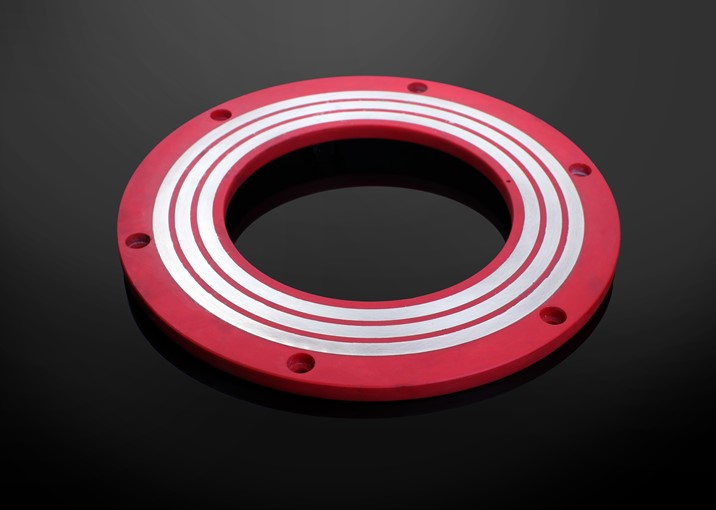
They are primarily used on slip rings within the turbine generator to maintain electrical contact between the rotor and static circuits. In addition to power transmission, they also enable signal transfer and support protection systems, making them essential for the turbine's safe and reliable operation.
How Often Should Carbon Brushes Be Replaced?
Generally, copper carbon brushes should be replaced every 1–2 years, while silver brushes may last 3–5 years, depending on the application. However, actual lifespan can vary based on several factors, including:
-
Turbine and generator type
-
Operating environment
-
Duty cycle and usage intensity
-
Maintenance practices (e.g. slip ring condition, spring alignment)
-
Quality and grade of the carbon brush
Explore Further: Silver or Copper – Which Brush Is Right for You?
Signs It's Time to Replace Carbon Brushes
Visual Indicators
-
Wear or shortened length: If a brush is nearing the manufacturer’s minimum recommended size, or is likely to reach it before the next maintenance interval, replacement is advised.
-
Cracks or damage: Any chips, cracks, burns, overheated flexes or visible defects signal the need for a new brush.
-
Uneven wear: Uneven brush wear can reduce electrical contact and should be addressed promptly.
Performance Issues
-
Sparking or poor current collection: Arcing or inconsistent contact suggests the brush is underperforming, potentially due to worn brushes or damaged slip rings.
-
Noise or vibration: Unusual sounds or vibrations may indicate poor brush contact or imbalance.
-
Reduced turbine performance: A dip in turbine output or efficiency could point to deteriorating brushes affecting conductivity.
Electrical Symptoms
-
Fluctuating power output: Inconsistent electricity flow can result from worn brushes.
-
Rising resistance: High resistance at the brush-slip ring contact point may lead to overheating, indicating the brushes are due for replacement.
Time-Based Replacement
-
Typical service life: Most turbine carbon brushes last around 12–18 months under normal conditions.
-
Routine servicing: Many operators replace brushes as part of scheduled annual or biannual maintenance to prevent unplanned downtime.
Why Regular Carbon Brush Maintenance Matters
Downtime for wind turbines can be extremely costly—particularly if it requires labour-intensive repairs at the top of the tower. Carbon brushes are relatively inexpensive, but if neglected, they can cause damage to slip rings, resulting in costly repairs, inconsistent power generation and increased downtime.
Replacing brushes regularly improves system reliability, reduces failure risk and maintains optimal turbine efficiency.
Choosing the Right Carbon Brush
As one of the most frequently replaced components in a turbine, it’s important not to cut corners when sourcing carbon brushes. They are usually made from graphite, with varying metal content (such as copper or silver) tailored to specific operating conditions.
A quality brush should deliver low friction, excellent conductivity and strong wear resistance. Using the wrong type—or allowing brushes to wear beyond their recommended limits—can result in:
-
Poor contact surface (patina)
-
Unstable brush performance
-
Arcing, sparking or brush chatter
-
Excessive wear on slip rings
-
Costly damage to the generator’s internals
Spring condition also plays a major role. Low or uneven spring force can further accelerate wear or prevent reliable contact. That’s why all of our replacement spring clips are built to OEM-recommended pressures and date-marked for traceability, supporting industry best practice.
Download Our Spring Replacement Guide for Full Details
How BGB Can Help
With decades of experience in designing slip ring systems and rotating components for the wind industry, BGB offers a full range of replacement carbon brushes tailored to specific turbine models and operating conditions.
Our capabilities include:
-
A wide portfolio of copper and silver graphite grades
-
Brushes enhanced with performance additives
-
Support for most turbine generator types
-
In-house engineering and fast response to custom needs
-
Spring clip replacements to original specifications
-
Silver brush recycling scheme, with cost-offset options for new products
-
Full slip ring refurbishments and new component supply
Simply use the order form on our website to tell us what you need. Our applications engineering team will be happy to advise on the most suitable solution for your turbine setup.
Visit the BGB website for more information on When do Carbon Brushes Need Replacing in Wind Turbines?
ENQUIRY FORM