How To Maintain Health And Safety Standards In A Warehouse
Running a warehouse is not an easy task. There is a large space to be operated and maintained, copious quantities of goods coming in and out on any given day and a myriad of staff working on site. However, some elements of the operations of a warehouse are absolutely essential.
Health and safety is right up at the top of the list. Sometimes the very phrase gets a bad rap, such as when it is used as an excuse by someone to do something controversial like cancelling a popular event. But a warehouse can be a dangerous place, so it is crucial to follow the law.
The most important piece of legislation to be aware of is the Health and Safety at Work Act 1974. In the first instance, Part 1.2 states: “It shall be the duty of every employer to ensure, so far as is reasonably practicable, the health, safety and welfare at work of all his employees.” (a ‘her’ may alternatively be used now; this was 50 years ago, of course.)
Secondly, you must also abide by section 1.3, which states that where non-employees may be affected, their safety should be protected too. In the case of warehouses, this means customers and clients bringing and taking away goods need to be kept safe too.
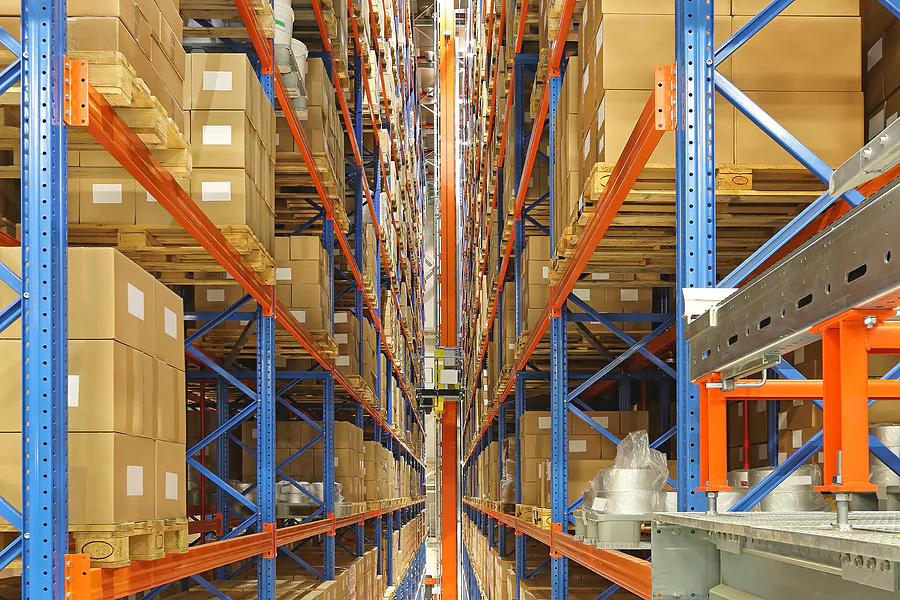
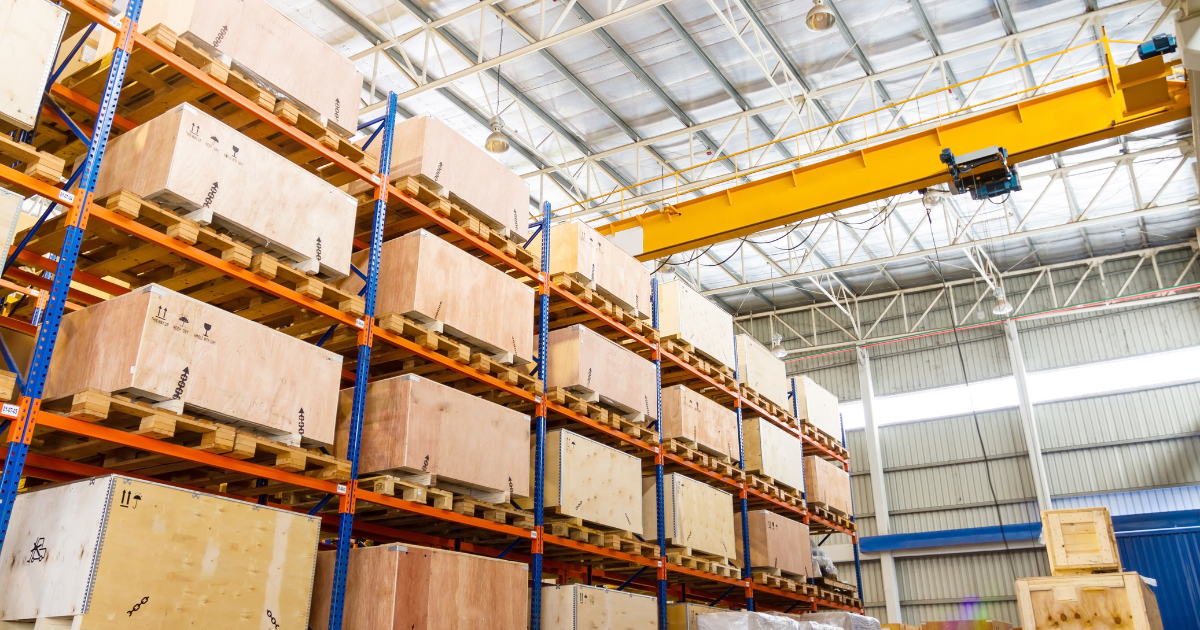
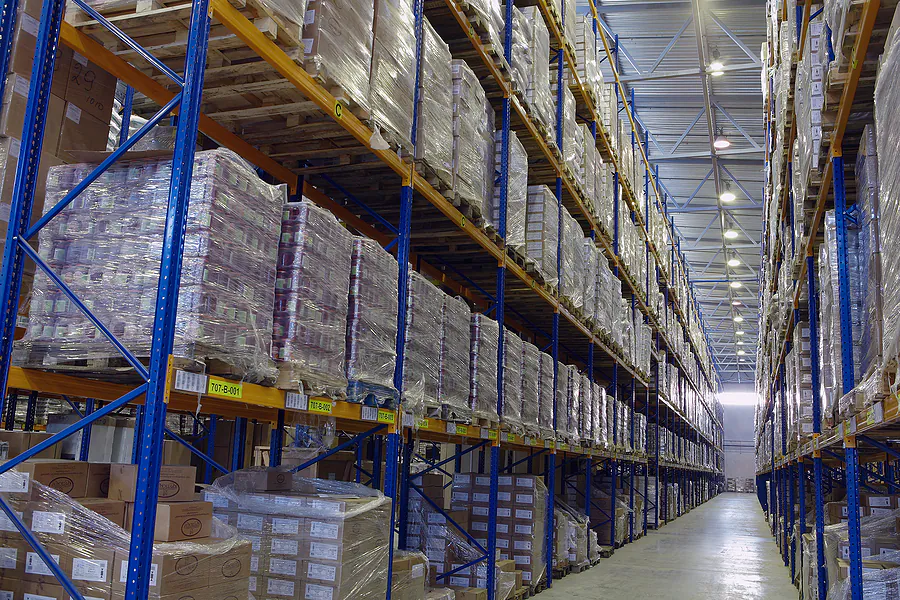
Ensuring a safe environment in a place that may have some industrial heavy duty racking means that care needs to be taken to ensure the racks are stable and properly assembled, as any instability risks a collapse and will endanger anyone nearby, as well as potentially causing very costly damage to goods.
This may be the most obvious safety issue. Others concern the conduction and actions of people working in the warehouse. One of the most important is working at height.
According to statistics published recently by the Health and Safety Executive (HSE), falls from height accounted for 50 of the 138 worker deaths in 2023-24. While these would seldom be in warehouses (construction accounted for 51 deaths and by nature will often involve working at height), many more serious injuries can be added to this.
This means that when someone is using equipment to reach higher areas of shelving, they must do so using a secure platform. Making sure the right equipment is used by anyone working at height is a specific requirement of the Working at Height Regulations 2005.
The use of forklift trucks surely tops the list for health and safety in warehouses. Accidents involving them are a major risk area, either because people are hit by them or due to items they are carrying not being secured property.
In June this year, the HSE reported on the case of a firm being fined £160,000 over a dreadful incident at a warehouse in Warrington in which two pallets being carried by a forklift were not secured. As a result, they fell off and struck a worker, causing severe crush injury to his legs that led to him having to have them both amputated.
The HSE statistics showed that in 2023-24, 11 people died in the transportation and storage sector, which includes (but is not restricted to) warehouses. Many more were injured. Such incidents are nearly always avoidable, and with the right training and procedures you can prevent your warehouse from being the scene of a catastrophe.
Visit the UK Shelving Ltd website for more information on How To Maintain Health And Safety Standards In A Warehouse
ENQUIRY FORM